
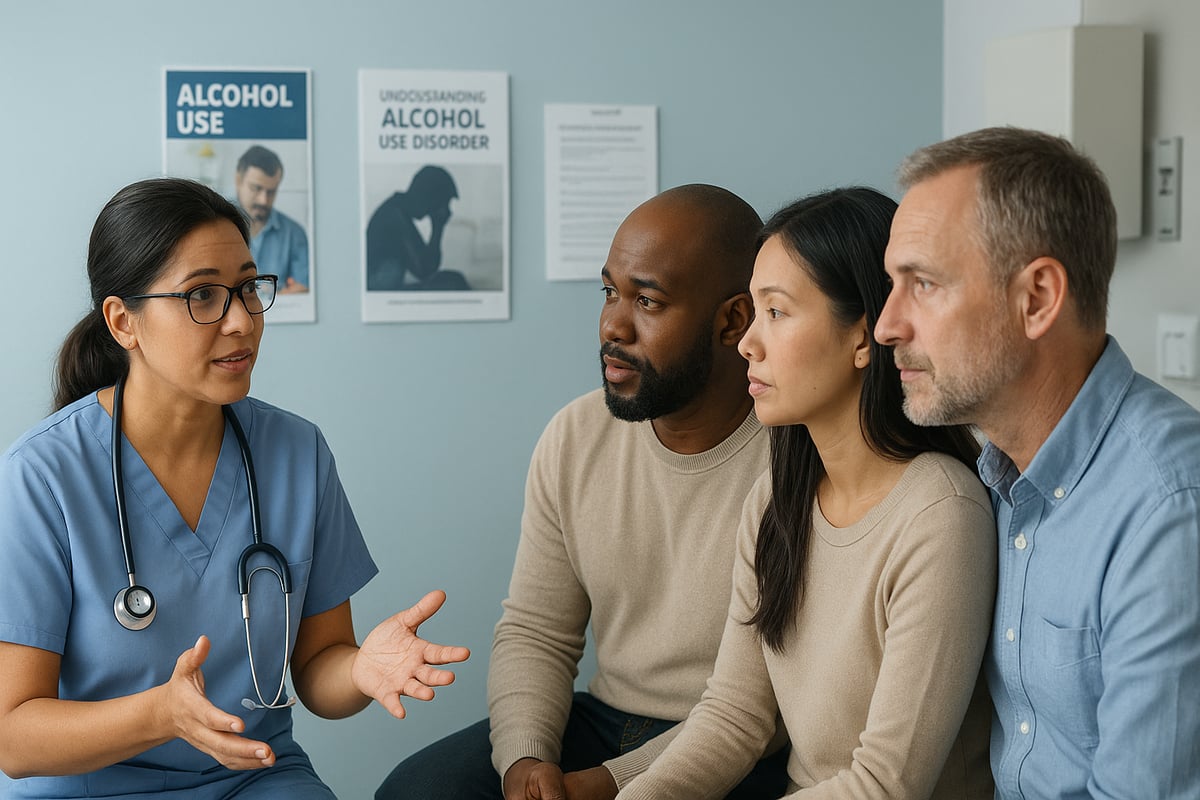
Drug abuse can change a person’s health, relationships, priorities, and sense of hope. What may begin as occasional use, prescribed medication, or an attempt to cope with emotional pain can gradually become a pattern that feels impossible to control. Recognizing that substance use has become a problem is not a sign of failure. It is an opportunity to seek support and begin making meaningful changes. Recovery is possible, especially when treatment addresses not only drug use but also mental health, physical wellness, relationships, personal goals, and the underlying reasons addiction developed. GetEdMeds presents a compassionate, individualized approach that includes addiction recovery services, mental health care, inpatient and outpatient treatment, and holistic and faith based support.
Understanding Drug Abuse and Addiction
Drug abuse involves using substances in ways that negatively affect a person’s health, responsibilities, relationships, or daily life. This can include illicit drugs as well as prescription medications that are misused.
With repeated use, substances can influence brain function, cravings, decision making, motivation, and self control. A person may continue using even after experiencing serious consequences. At that point, stopping can require more than determination alone.
Addiction is a complex health condition influenced by biological, psychological, and environmental factors. Treating it with compassion rather than shame can make it easier for individuals and families to recognize the need for professional care.
Why Addiction Develops
There is rarely one reason someone develops a substance use disorder. Risk factors can include:
- A family history of addiction
- Anxiety, depression, or other mental health concerns
- Trauma or difficult life experiences
- Chronic stress
- Social pressure and unhealthy environments
- Long term misuse of prescription medications
These factors do not guarantee that someone will develop an addiction. However, understanding them can help individuals recognize vulnerabilities and seek support earlier.
Recognizing When Drug Use Has Become a Problem
Addiction can develop gradually, so early warning signs may be easy to dismiss. One symptom alone does not necessarily indicate addiction. However, several physical, behavioral, and emotional changes occurring together deserve attention.
Physical Warning Signs
Potential physical signs of problematic drug use include:
- Changes in appetite or weight
- Bloodshot eyes or changes in pupil size
- Persistent fatigue
- Changes in sleep patterns
- Declining personal hygiene
- Unexplained illnesses or injuries
- Noticeable changes in energy
These symptoms can have many causes. However, when they appear alongside behavioral or emotional changes, a professional assessment may be appropriate.
Behavioral Warning Signs
Family members and friends may notice changes in behavior before the individual recognizes the seriousness of the problem.
Warning signs can include:
- Increasing secrecy
- Withdrawal from loved ones
- Missing work, school, or important commitments
- Declining performance
- Financial problems
- Neglecting responsibilities
- Losing interest in hobbies
- Spending time with a different social group
Persistent changes can indicate that substance use is beginning to interfere with everyday life.
Emotional and Mental Health Changes
Drug abuse can also affect emotional well being. Someone struggling with addiction may experience anxiety, depression, irritability, mood swings, difficulty concentrating, emotional numbness, or feelings of hopelessness.
These symptoms deserve attention in their own right. They may reflect the effects of substance use, an underlying mental health condition, or both.
The Connection Between Addiction and Mental Health
Substance use and mental health often influence one another. Some people turn to drugs as a way to cope with anxiety, depression, trauma, grief, or overwhelming stress. Unfortunately, ongoing substance use can also make mental health symptoms worse.
This creates a cycle that can be difficult to break without professional support.
Treating Co Occurring Conditions
When someone experiences both addiction and mental health concerns, treatment can address both as part of a coordinated recovery plan.
Integrated care may help individuals:
- Identify emotional and environmental triggers
- Develop healthier coping skills
- Improve emotional regulation
- Address trauma and difficult experiences
- Build resilience
- Strengthen relapse prevention strategies
Treating mental wellness alongside addiction can make recovery more sustainable because individuals learn healthier ways to manage emotions and respond to stress.
Exploring Drug Addiction Treatment Options
There is no single treatment program that works for everyone. The right level of care depends on factors such as the substance involved, severity of use, physical health, mental health needs, previous treatment, living situation, and recovery goals.
A professional assessment can help determine what type of treatment is most appropriate.
Medical Detox
For some individuals, medical detox is the first stage of recovery. Withdrawal can be uncomfortable and, depending on the substance and individual circumstances, potentially dangerous.
Medically supervised detox can provide:
- Withdrawal monitoring
- Medical supervision
- Support during physical stabilization
- Emotional support
- Preparation for ongoing treatment
Detox is important, but it is only one part of recovery. It addresses the physical process of stopping substance use, while continued treatment can address the behavioral, emotional, and psychological factors that contribute to addiction.
Inpatient Treatment
Inpatient or residential treatment provides a structured environment where individuals can focus on recovery away from many of the triggers and pressures of everyday life.
Treatment may include:
- Individual counseling
- Group therapy
- Recovery education
- Relapse prevention planning
- Structured daily routines
- Ongoing professional support
Inpatient care may be especially valuable for people with severe substance use disorders, repeated relapse, or complex treatment needs.
Outpatient Treatment
Outpatient treatment provides professional support while allowing individuals to continue living at home and, when appropriate, maintain work, school, and family responsibilities.
Services may include:
- Individual therapy
- Group counseling
- Family therapy
- Medication management when appropriate
- Recovery planning
- Mental health support
Outpatient treatment can also provide continuity after a more intensive program, helping individuals apply recovery skills in their everyday environment.
Why Personalized Addiction Treatment Matters
Recovery is personal. Two people can struggle with the same substance while having completely different histories, challenges, mental health needs, and goals.
Personalized addiction treatment takes these differences into account. Instead of applying the same plan to everyone, individualized care considers the person behind the diagnosis.
Building a Recovery Plan Around the Individual
A comprehensive plan may consider:
- Substance use history
- Physical health
- Mental health
- Family relationships
- Previous treatment experiences
- Personal strengths
- Recovery goals
- Spiritual preferences
- Relapse risks
This broader perspective helps make recovery about more than stopping drug use. It focuses on building a healthier and more sustainable life. GetEdMeds describes individualized care as a central part of its recovery approach.
The Role of Holistic Recovery
Addiction can affect the whole person. Therefore, lasting recovery can involve more than clinical treatment alone. Physical wellness, emotional balance, healthy routines, relationships, and personal purpose can all contribute to a stronger foundation.
Supporting Mind, Body, and Daily Wellness
Depending on an individual’s treatment plan, holistic approaches may include:
- Mindfulness
- Meditation
- Nutrition education
- Physical wellness activities
- Stress management
- Life skills development
These practices can complement professional addiction treatment by helping individuals establish healthier routines and develop additional ways to manage stress.
Finding Purpose Beyond Addiction
Addiction can gradually narrow a person’s life until obtaining or using drugs becomes the primary focus. Recovery provides an opportunity to rebuild that life.
For some people, meaningful goals may include reconnecting with family, returning to school or work, developing healthy hobbies, improving physical health, strengthening relationships, or exploring spiritual growth.
Purpose can become an important source of motivation when recovery feels challenging.
Faith Based Support and Recovery
For individuals who value spirituality, faith based care can provide another source of hope, encouragement, meaning, and personal growth.
Spiritual support should reflect the individual’s beliefs and preferences. When desired, it can complement clinical addiction treatment and mental health care rather than replace them.
A recovery journey can make room for both professional treatment and the personal values that help someone understand why a healthier future matters.
How Families Can Support Recovery
Addiction affects more than the person using substances. Family members may experience fear, frustration, anger, guilt, or exhaustion.
While families cannot force someone to recover, they can create an environment that encourages treatment.
Practical Ways to Help
Families can:
- Learn about substance use disorders
- Communicate with compassion rather than shame
- Encourage professional treatment
- Listen without immediately judging
- Establish healthy boundaries
- Avoid enabling harmful behavior
- Participate in family counseling when appropriate
- Take care of their own emotional health
A supportive conversation does not need to solve everything. Sometimes, simply telling someone that you care and offering to help them explore treatment is a meaningful first step.
Recovery Continues After Treatment
Completing a treatment program is an important accomplishment, but recovery does not end when formal treatment ends. Long term recovery often requires continued attention to mental health, physical wellness, relationships, triggers, and personal goals.
Building Healthy Recovery Habits
Individuals can strengthen their recovery by:
- Continuing counseling when recommended
- Participating in recovery support groups
- Maintaining healthy sleep and nutrition routines
- Staying physically active
- Identifying personal triggers
- Following a relapse prevention plan
- Maintaining supportive relationships
- Asking for help when challenges arise
Progress is not always perfectly linear. A difficult day does not erase the progress someone has already made. Reaching out for support during difficult periods can help prevent a temporary challenge from becoming a larger setback.
When Should You Seek Professional Help?
There is no requirement to wait until addiction becomes severe before seeking assistance. If drug use is affecting health, relationships, finances, responsibilities, or emotional well being, professional guidance can help clarify the next step.
An addiction or mental health assessment can provide useful information about treatment needs and available options.
If someone is experiencing signs of an overdose, loss of consciousness, severe withdrawal, confusion, difficulty breathing, or another potentially life threatening emergency, seek emergency medical care immediately.
Moving From Drug Abuse Toward Recovery
The path from drug abuse to recovery does not have to happen all at once. It can begin with recognizing a problem, learning about addiction, speaking honestly with a trusted person, or contacting a qualified treatment professional.
Recovery may involve detox, inpatient care, outpatient treatment, mental health services, counseling, family support, holistic practices, faith based resources, or a combination of these approaches. The most important consideration is finding care that fits the individual’s needs and provides meaningful support throughout the journey.
GetEdMeds emphasizes compassionate, individualized addiction recovery alongside mental health treatment, inpatient and outpatient care, and holistic and faith based approaches.
Conclusion
Moving from drug abuse to recovery is not simply about stopping substance use. It is about rebuilding health, restoring relationships, strengthening mental wellness, developing healthier coping skills, and creating a life with purpose.
Addiction can make the future feel uncertain, but it does not have to define a person’s future. With appropriate treatment and compassionate support, meaningful change is possible.
If you or someone you love is struggling with drug use, consider taking the next step toward professional support. You do not need to understand every part of treatment before reaching out. One conversation can provide clarity, open the door to appropriate care, and become the beginning of a healthier path forward.